







|
|
|
|
|
|
|
|
|
|
|
|
|
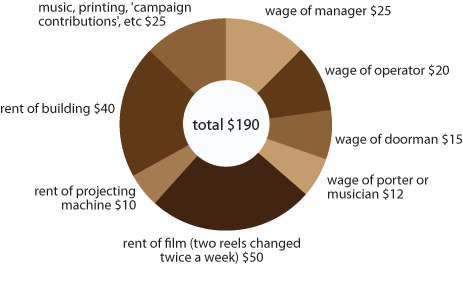
Media > Cinema and film > Negative costs By 1907 the number of nickelodeons in the USA had grown from zero to 4,000-5,000 within three years. These converted shops whad sprung up in much the sale way as beer shops in Britain in the 1830s or video rental outlets around the world in the 1980s. And like the beer shops they were habit-forming. The five-cent admission charge brought public entertainment to the masses as never before. A contemporary account of the nickelodeon phenomenon gave details of a typical operation, including the costs of running a picture show. The breakdown of operating costs shows that film rental accounts for about a quarter of total outgoings. Nickelodeon weekly running costs The maximum seating capacity was usually limited to 199 as a theatre licence costing $200 a year was needed for auditoria seating 200 or more. However, the nickelodeons were open seven days a week and running at least a dozen shows a day, sometimes up to 18 shows—giving a median of around 100 performances a week. At five cents a ticket, a nickelodeon operator had to attract 4,000 admissions a week, equating to 40 per cent capacity. Full capacity would yield $9.95 a show, or $995 a week. At even half capacity that would yield a profit margin of around 150 per cent on operating costs. References:
|
 Media: Film index